
T-Bolt Clamps & Heavy Duty Hose Clamps
Heavy-duty hose clamps made in our own plant since 1976 — T-bolt, double bolt, interlocking, helix spiral wire and DIN 2817 safety clamps. A 360° sealing surface and a four-spot weld on a hollow mandrel give the band the strength for high-torque work without letting the joint leak.

Stainless Steel T-Bolt Clamps: EDB and EDD Series
Both series run an SS304 band with SS305 screw and nut, and SS316 is available on request. The only difference between them is the mandrel: EDB is hollow, EDD is solid. Hose OD 17 mm to 252 mm, 360° sealing surface, four-spot welded.
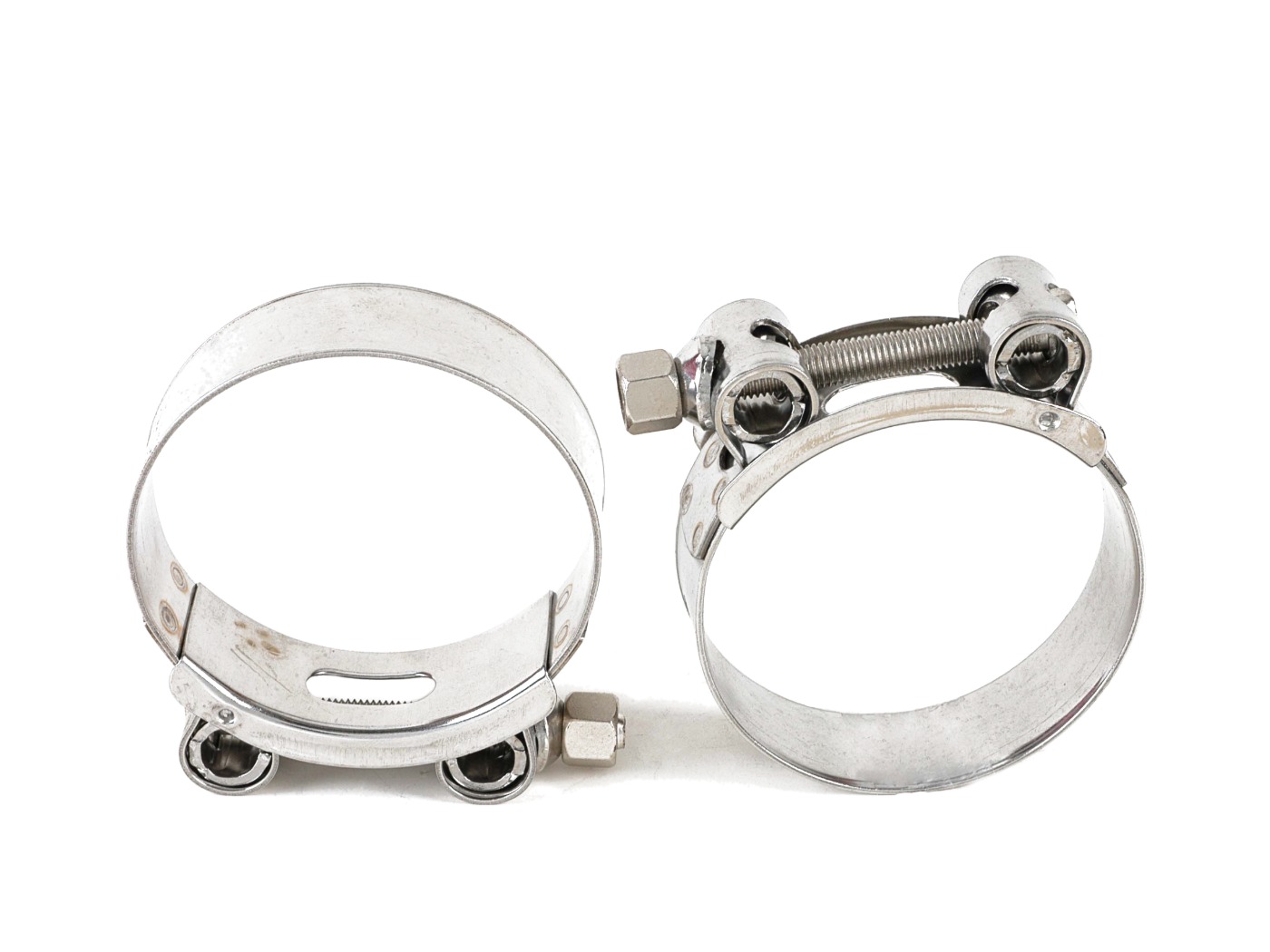
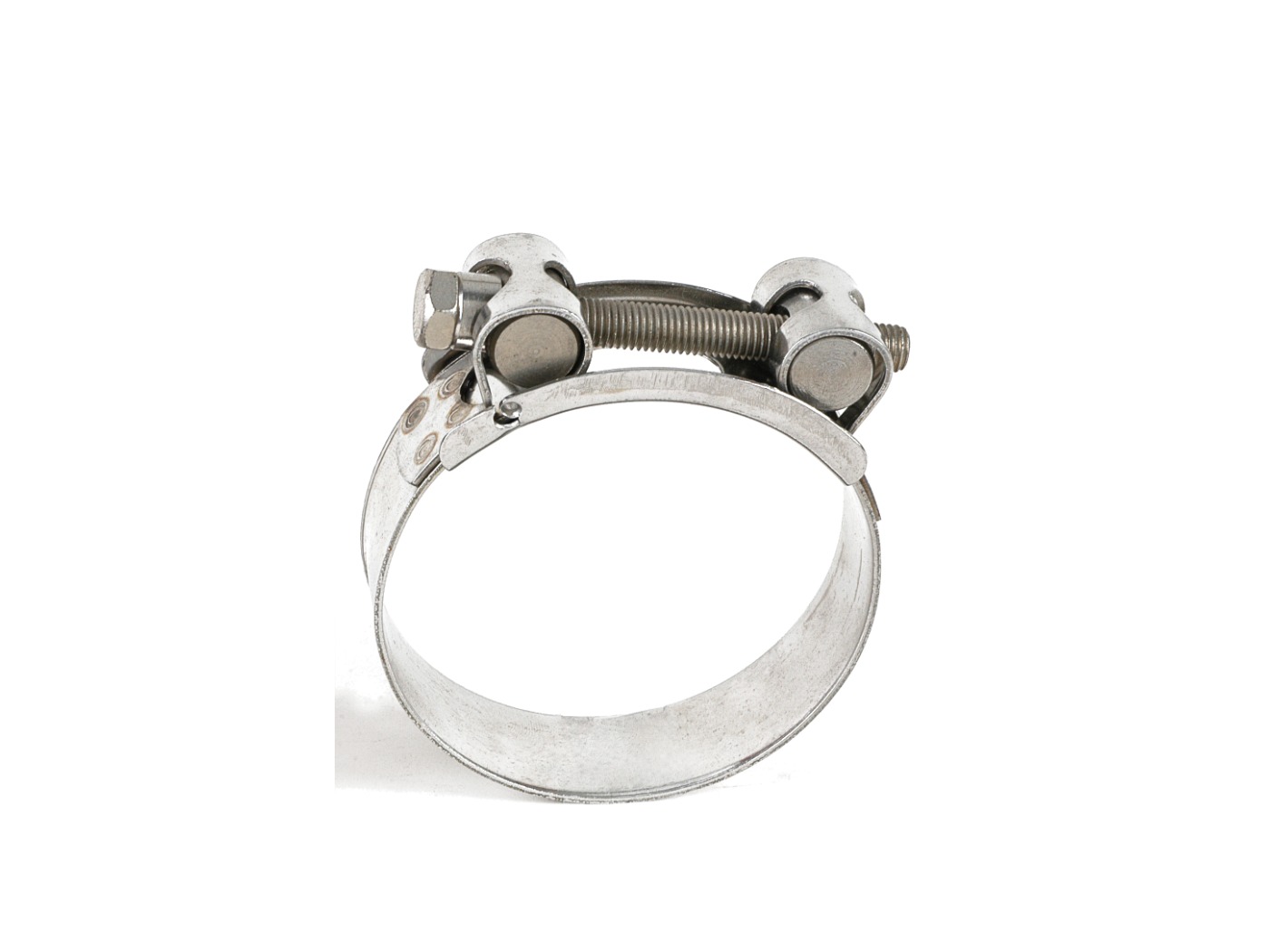
| Size range | Band width × thickness | Torque | Recommended tightening |
|---|---|---|---|
| 017–028 | 18 × 0.8 mm | 15 Nm | 8 Nm |
| 031–043 | 20 × 1.0 mm | 15 Nm | 10 Nm |
| 047–067 | 22 × 1.2 mm | 15 Nm | 10 Nm |
| 073–130 | 24 × 1.2 mm | 30 Nm | 20 Nm |
| 139–252 | 26 × 1.6 mm | 40 Nm | 20 Nm |
Where they earn their keep: heavy duty hose clamp duty on oil suction and delivery hose, dock loading and material handling — and as a turbo hose clamp or silicone hose clamp on vehicles, where a worm-drive band would bite into the sleeve instead of spreading the load.
T-Bolt Clamp Build Options: Mandrel, Band and Bolt
The band material and the mandrel decide which series you order. Hollow mandrel spreads the load and suits softer hose; solid mandrel takes the higher torque.
| Series | Band material | Mandrel | Bolts |
|---|---|---|---|
| EDA | Carbon steel, colour plated | Hollow | 1 |
| EDB | SS304 or SS305 | Hollow | 1 |
| EDC | Carbon steel, colour plated | Solid | 1 |
| EDD | SS304 or SS305 | Solid | 1 |
| EDF / EDG | Carbon steel colour plated, or SS304 / SS305 | Solid | 2 |
Grade 316 is available on request. Every series is factory tested before it ships.
Hose Clamp Types: T-Bolt, Double Bolt, Interlocking, Spiral and DIN 2817
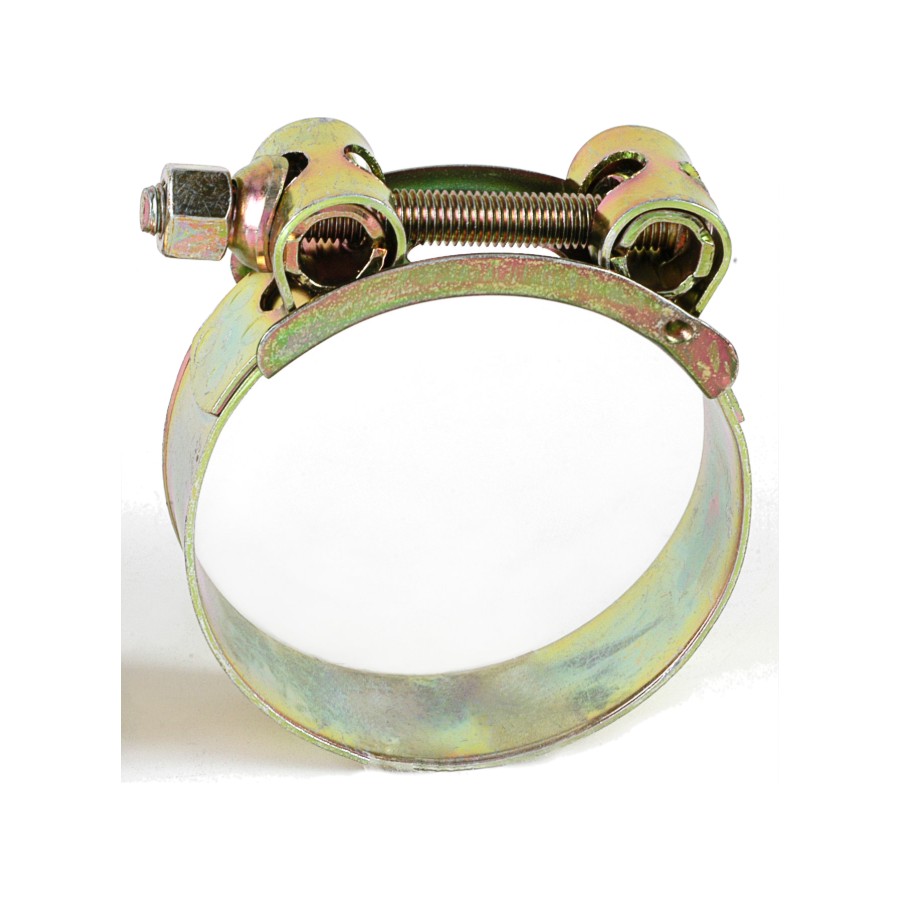
T-Bolt Clamp
360° sealing surface with four spot welds on a hollow mandrel, for high-torque connections that have to stay leak-proof. EDB is industrial-grade 304 stainless. Used on automotive, industrial and general hose work, and pairs with our oil suction and oil delivery hose.
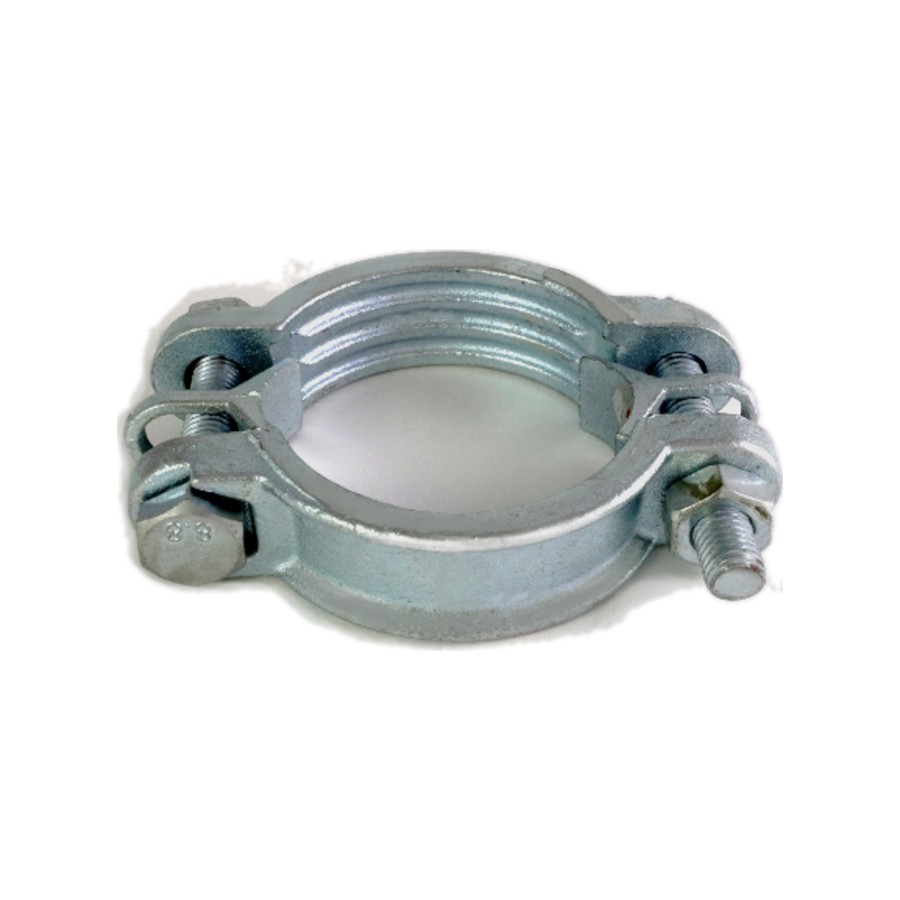
Double Bolt Hose Clamp — FCBC
Investment cast ductile iron, cadmium plated. Heavy service where large nipples and couplings are being attached to rubber or PVC hose — agriculture, construction, food processing, mining, oil field and wastewater.
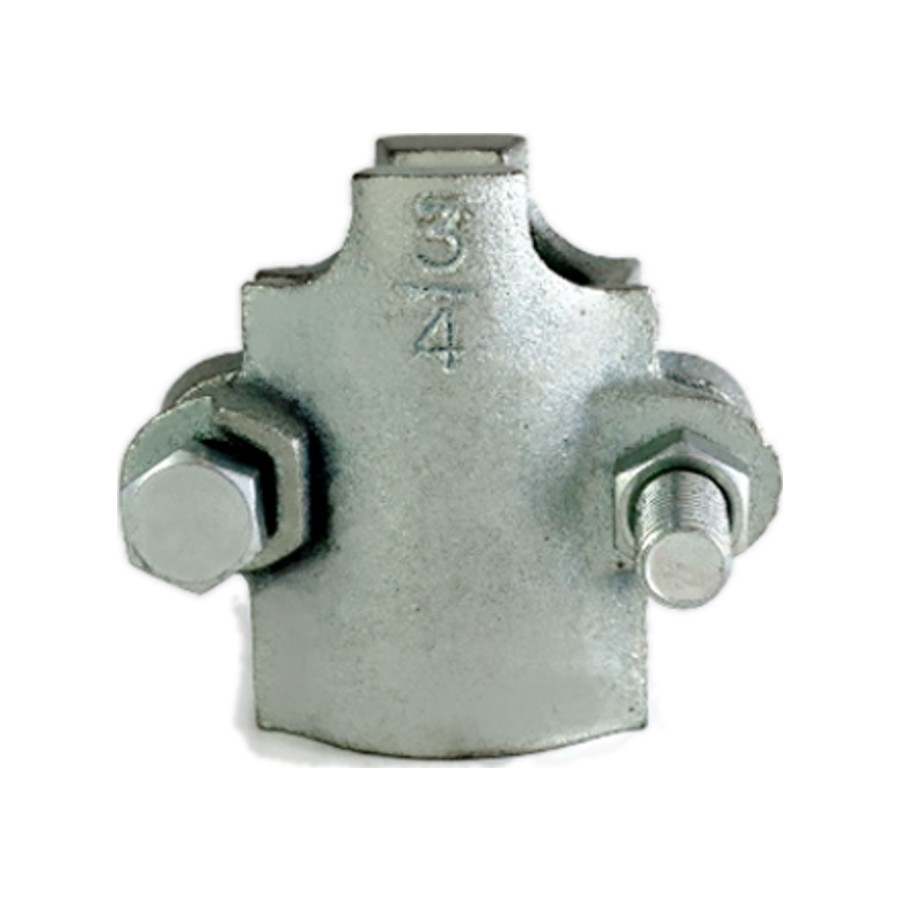
Interlocking Hose Clamp — 2 and 4 Bolt
Cast ductile, zinc plated. The shank interlocks and bolts into position for a firm grip under high pressure: air hose, steam, water, spray, LPG and anhydrous ammonia.
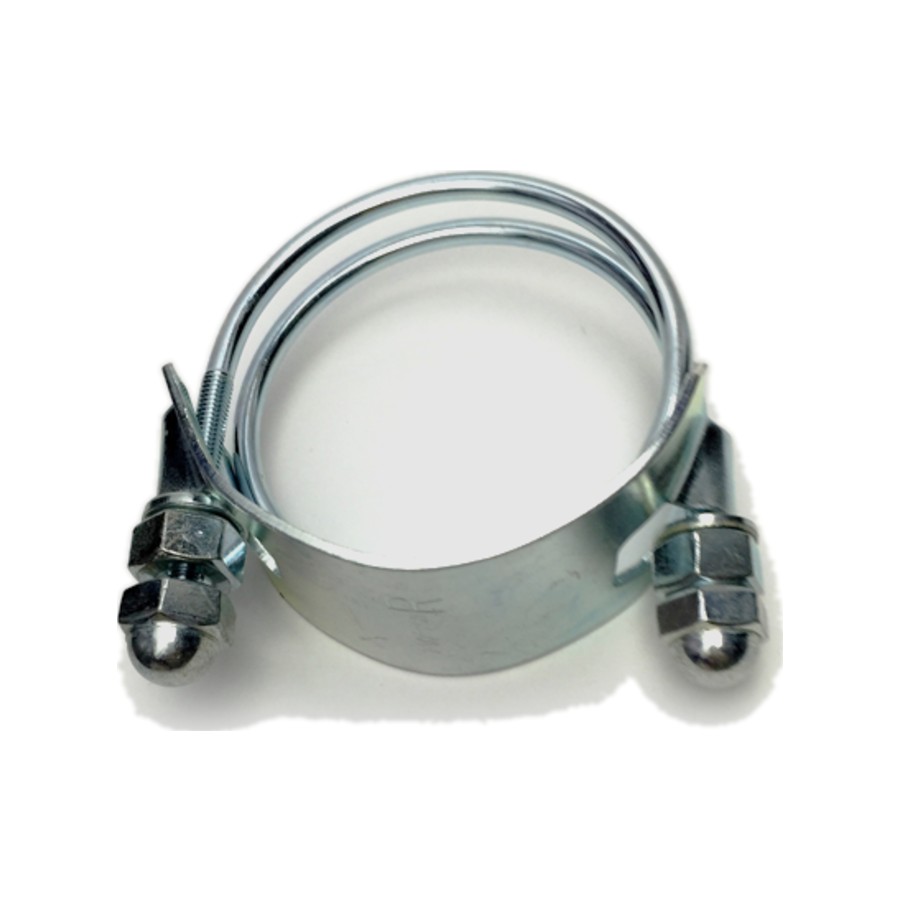
Spiral Hose Clamp — Helix Spiral Wire Bolt
Galvanised steel saddle with electroplated nuts and washers and spiral thread bolts, made for convoluted-cover hose where a flat band cannot seat.
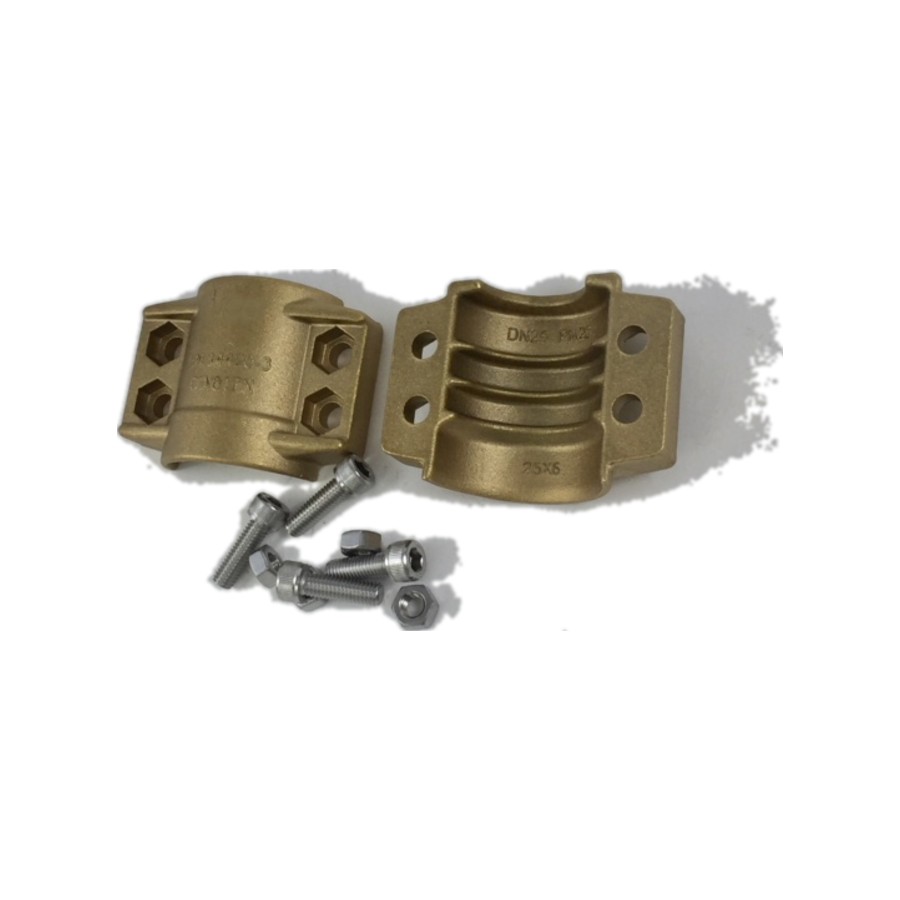
DIN 2817 Safety Clamp — EN 14423
For steam and hot water hose assemblies in food, pharmaceutical and transport work. A rim on the inside engages the hose shank collar as the bolts are tightened, so the coupling cannot be pulled out of the hose. Shells dismantle for reuse.
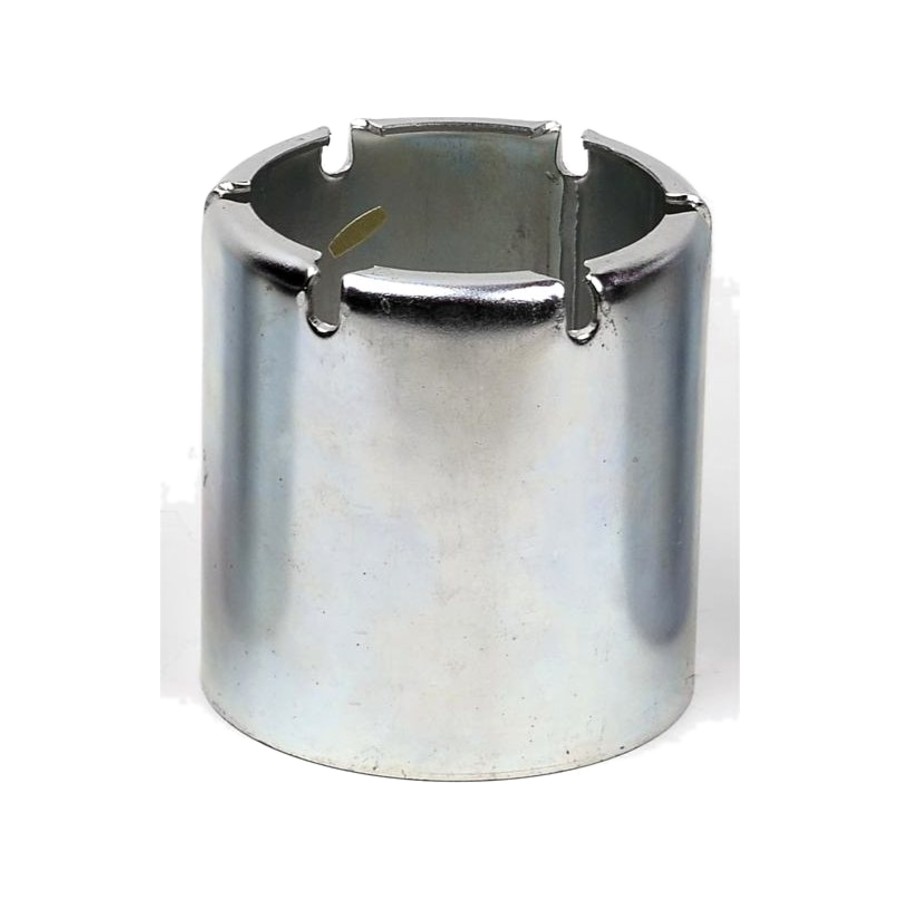
Matching crimp ferrules
If the assembly is crimped rather than clamped, our F50, F60 and F70 ferrules and king nipples cover the same hose sizes from the same factory.
Hose Clamp Sizes: Hose OD 17 mm to 252 mm
T-bolt clamps are specified by the outside diameter of the hose, not the bore. Measure the hose over the cover at the point the clamp will sit, with the tail already inserted — the hose swells over the barb, and that swollen OD is the number the clamp has to close on.
Anything inside 17–252 mm is covered by a standard part number. Tell us the hose OD, the band material and the mandrel type and we will come back with the series code and a price.

Hose Clamp Selection: Two Things Buyers Get Wrong
Helix clamps have a handedness
A spiral wire clamp only seats correctly if it turns the same way as the hose helix. Look at the cut end of the hose: if the helix spirals clockwise as it runs away from you along the hose, you need a clockwise clamp. If it spirals counterclockwise away from you, you need a counterclockwise clamp. Ordering the wrong hand is the most common mistake on this item.
Steam hose needs a safety clamp, not a band clamp
On steam and hot water lines the failure mode is the coupling being pushed out of the hose, not the band slipping. A DIN 2817 / EN 14423 safety clamp has an internal rim that drops behind the hose shank collar, so tightening the bolts locks the coupling in mechanically. A plain band clamp cannot do that however hard it is torqued.
T-Bolt Clamp vs Worm Drive vs Double Bolt: Which Clamp for Which Job
Clamp choice is usually made on price, then revisited after the first failure. The six families below are not interchangeable: each one applies load in a different way, and each one has a duty where it is the wrong answer.
| Clamp | What it does well | Where it is the wrong choice |
|---|---|---|
| Worm drive band | Low cost, wide adjustment range, fitted with a screwdriver or nut driver. The right answer for light water, air and coolant lines. | Clamping force is low and concentrated near the housing. The slotted band loses section and can cut into a soft cover. Not for high pressure, heavy vibration or large bore. |
| T-bolt | High, even radial load around the full circumference, from a bolt that takes real torque. Suits heavy rubber hose, charge-air and industrial suction and delivery lines. | Each size covers a narrow diameter band, so it has to be sized to the actual hose OD over the cover. A stretched or over-torqued clamp should not be refitted. |
| Double bolt | The highest clamping force in the range, over a wide band, for large-bore suction and delivery hose. | Bulky and slow to fit. Overkill on anything a T-bolt already holds. |
| Interlocking, 2 and 4 bolt | Interlocking segments spread load evenly on hose tail and shank assemblies working at pressure. | Needs a hose and shank combination it was sized for. Not an adjustable general-purpose clamp. |
| Spiral / helix | Follows the helix wire of spiral-reinforced hose so the load sits on the reinforcement, not between turns. | The helix has a handedness. A clamp wound the wrong way will not seat, whatever the diameter says. |
| DIN 2817 safety clamp (EN 14423) | The only family here that mechanically prevents the coupling leaving the hose. Its internal rim engages the shank collar. | Not a substitute for a general band clamp, and it must match both hose OD and the coupling shank it locks to. |
Steam and hazardous media are the clear case: a band clamp of any kind holds by friction alone, and friction is what fails when a hose softens with heat. That duty needs the DIN 2817 safety clamp.
304 or 316 Stainless for a Hose Clamp?
304 and 305 cover general industrial, indoor and most outdoor duty. 316 adds molybdenum, which is what buys resistance to chlorides — marine, coastal, de-icing salt, and chloride-bearing process fluids. On anything that gets salt spray, specify 316 and expect to pay for it.
The point that catches buyers out is that “stainless clamp” usually describes the band only. On many clamps on the market the bolt, the nut or the mandrel are plated carbon steel, and that is where the rust starts — the band still looks perfect while the bolt seizes. When you compare quotes, ask what each part is made of, not just the band.
How Tight Should a Hose Clamp Be?
To the figure for that clamp series and size, with a torque wrench — not by feel, and not until it stops turning. Under-torqued, the joint leaks under pressure surges. Over-torqued, the bolt yields or the band bites through the cover, and the clamp cannot be reused.
Rubber hose also takes a compression set. On a new assembly, and again after the first heat cycle on anything that runs warm, re-check the torque rather than assuming the original setting held.
| Hose OD (mm) | Recommended tightening torque | Maximum torque |
|---|---|---|
| 19 – 28 | 8 N·m | 15 N·m |
| 31 – 43 | 10 N·m | 20 N·m |
| 47 – 67 | 10 N·m | 25 N·m |
| 73 – 121 | 20 N·m | 30 N·m |
| 130 – 252 | 20 N·m | 40 N·m |
These figures cover our EDA, EDB and EDC T-bolt series — the values are the same across all three. Work to the recommended figure; the maximum is the point beyond which the bolt or band is at risk, not a target. A soft-wall or thin-wall hose may need less than the recommended value, so tell us the hose construction if you are unsure.
Hose Clamp Specification Questions
What torque should a T-bolt hose clamp be tightened to?
For our EDA, EDB and EDC T-bolt series the recommended tightening torque is 8 N·m for hose OD 19 to 28 mm, 10 N·m for 31 to 67 mm and 20 N·m for 73 to 252 mm. Maximum torque is 15, 20, 25, 30 and 40 N·m across the same size bands in ascending order. Use a torque wrench and re-check after the hose has taken a compression set, and again after the first heat cycle on anything that runs warm.
What is a T-bolt clamp used for?
Heavy rubber hose that has to stay sealed under pressure, vibration or temperature cycling — industrial suction and delivery, charge-air and turbo connections, tanker and bulk transfer lines. The bolt takes real torque and the solid band applies that load evenly all the way round, which is what separates it from a slotted worm drive clamp.
Is a T-bolt clamp stronger than a worm drive clamp?
Yes, and the difference is not marginal. A worm drive clamp pulls a slotted band through a housing, so load concentrates near the screw and the slots reduce the band section. A T-bolt clamp pulls a solid band against a mandrel with a bolt, so the load is higher and spread evenly around the circumference. For light water, air and coolant lines a worm drive clamp is adequate and cheaper; above that it is the wrong tool.
Which series should I quote for stainless?
EDB for a hollow mandrel and EDD for a solid mandrel — both are SS304 or SS305. Grade 316 is available on request. EDF and EDG are the two-bolt versions.
What is the difference between a hollow and a solid mandrel?
The mandrel is the bridge the bolt pulls against. A hollow mandrel flexes slightly and spreads the load, which suits softer hose. A solid mandrel takes more torque before it deforms, which is what you want on thick-walled industrial hose.
How do I specify the size?
By hose outside diameter, from 17 mm to 252 mm. Measure over the cover at the clamp position with the tail already fitted.
Which clamp do I use on steam hose?
A DIN 2817 safety clamp to EN 14423. Its internal rim engages the hose shank collar so the coupling cannot be pulled out, and the shells can be dismantled and reused.
Do you do OEM and private label?
Yes. We supply to our customers' own specifications and packaging. Tell us what the carton, label and part numbering need to look like.
Can these clamps be supplied with your hose and fittings?
Yes — T-bolt clamps ship alongside our oil suction and delivery hose, king nipples and crimp ferrules, camlock couplings and twin welding hose on the same order.
Made in our own plant, not brokered
Sunze has machined fittings and clamps in Taiwan since 1976 under ISO 9001. Turning, inspection, packing and container loading all happen under one roof, which is why we can hold a part number to your drawing instead of quoting whatever a trading house has on the shelf.
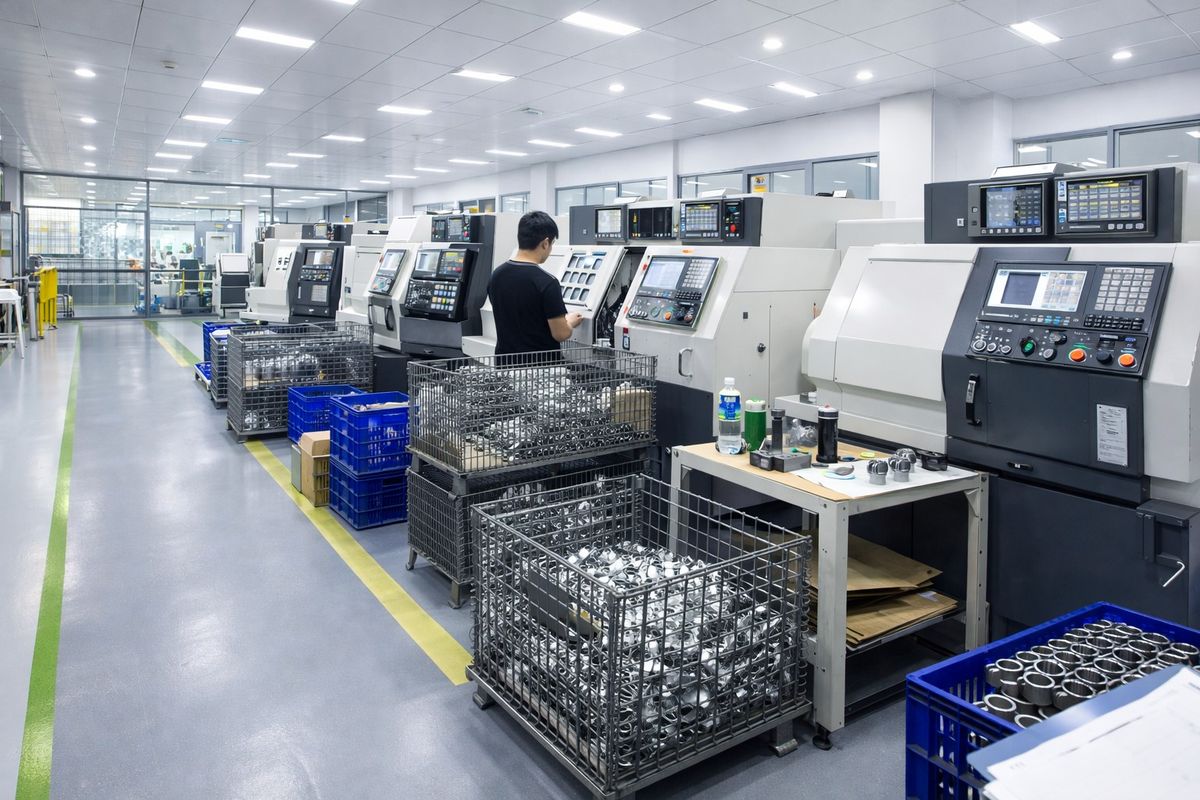
CNC turning and machining cells.
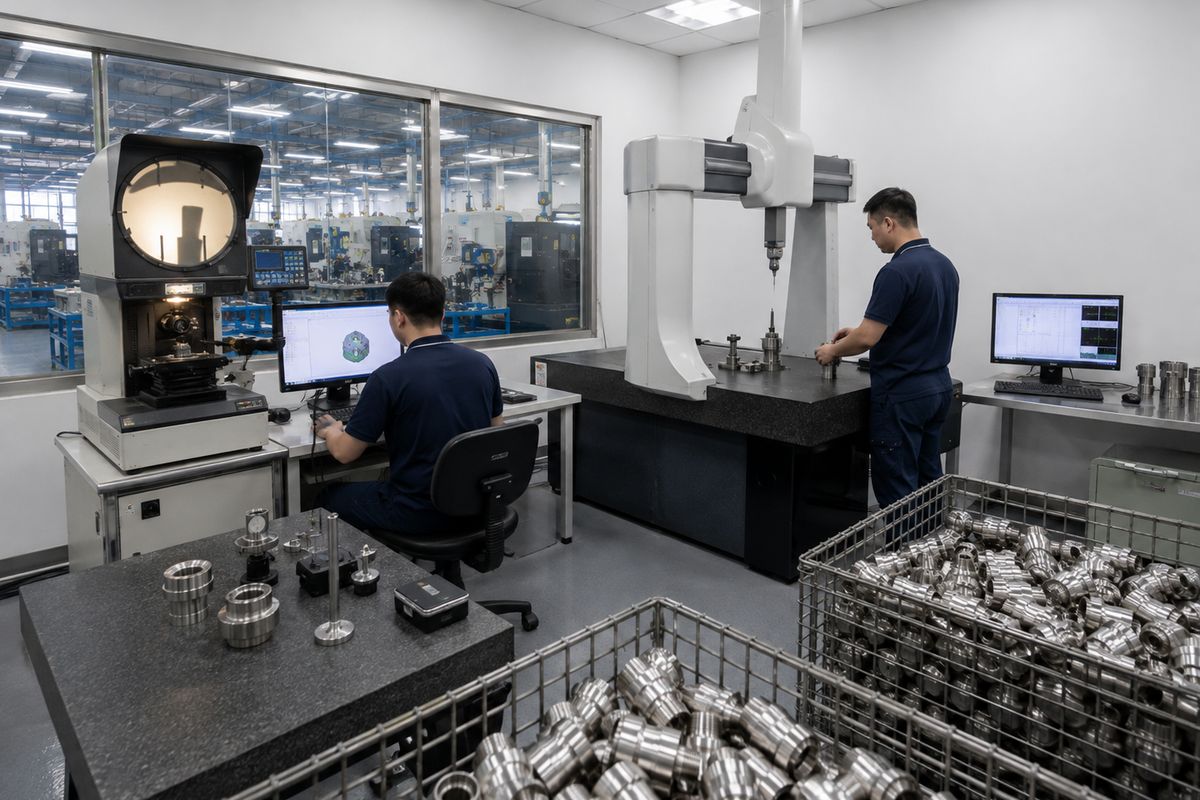
Optical comparator and CMM in the measuring room — first-article and in-process checks.
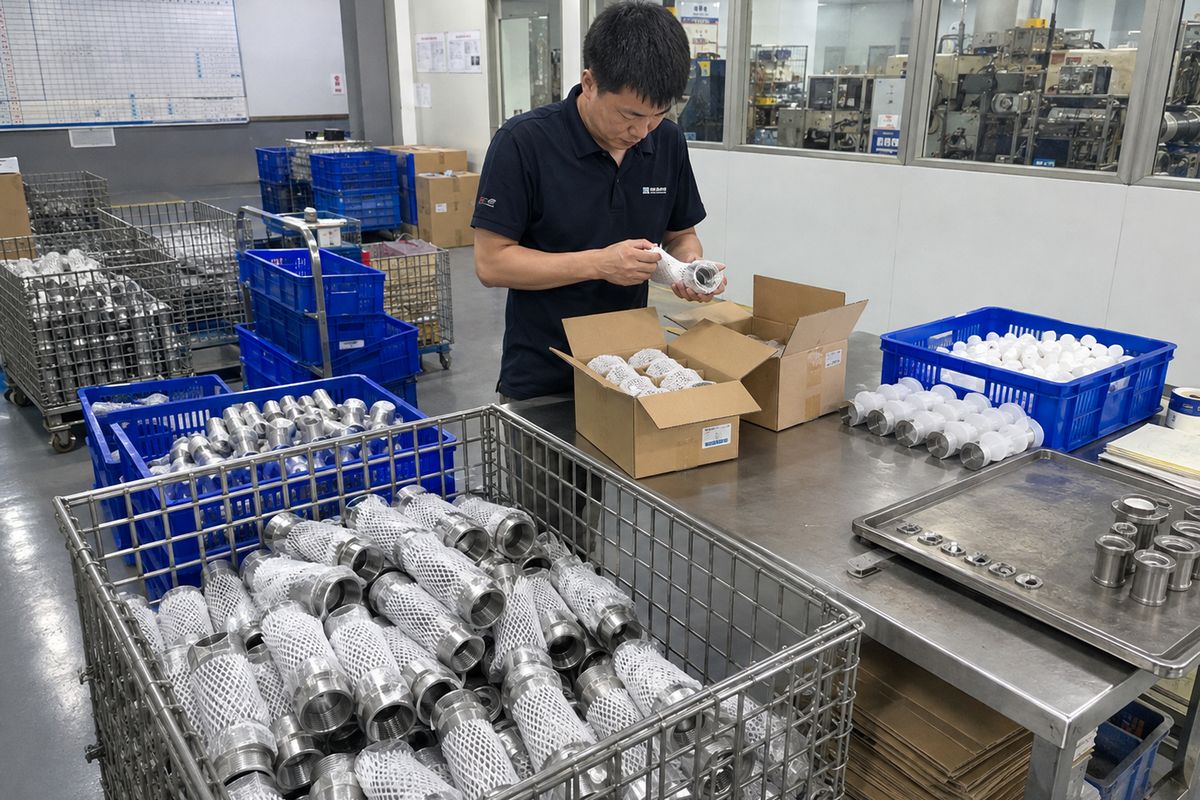
Parts checked and boxed to your pack quantity, private label on request.
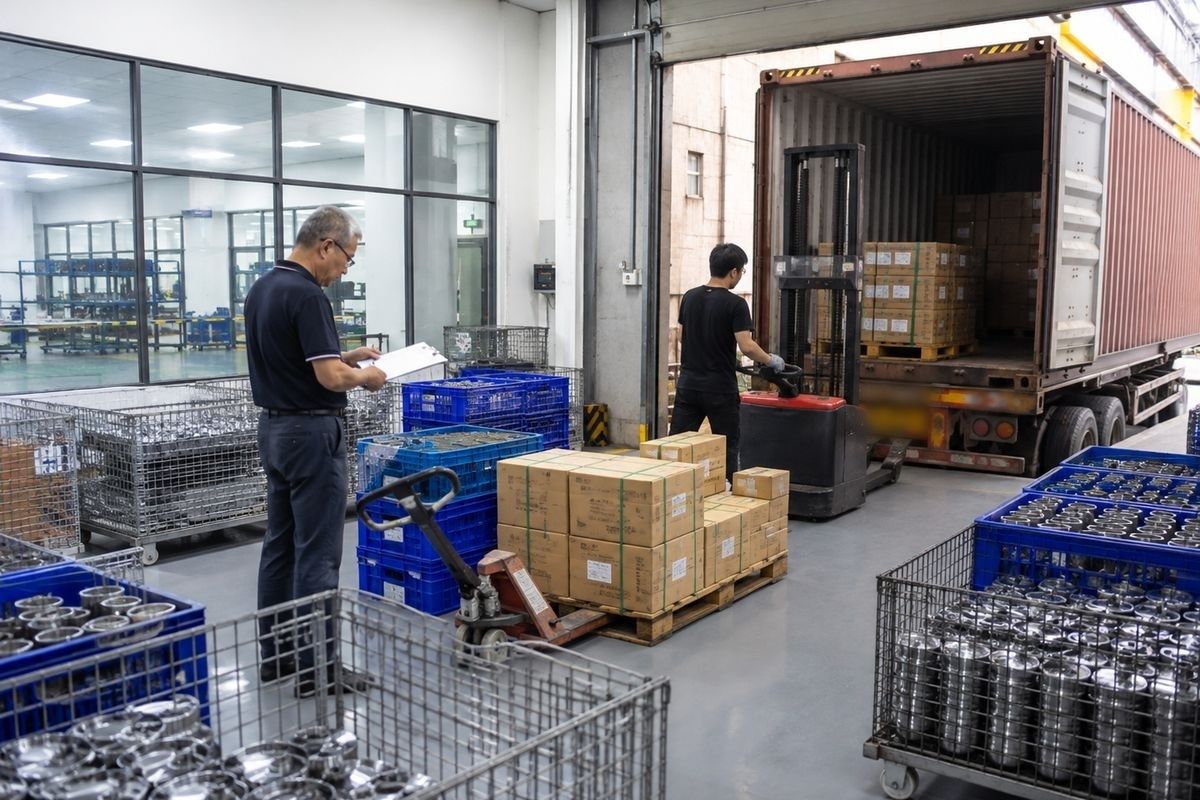
Container loading. Full export documentation supplied.
Working With Us
“We’ve been sourcing T-Bolt hose clamps from Sunze for several years, and the quality has been consistently reliable. The clamps have good clamping strength and hold up well in demanding hose applications. Sunze has also been very responsive whenever we have special requirements.”
“We were looking for a reliable supplier who could provide T-Bolt hose clamps with consistent dimensions and quality. Sunze has met our requirements very well. The clamps fit our hoses properly, and the production quality has been stable from order to order.”
“What we appreciate most about Sunze is their flexibility. We needed specific specifications and packaging for our T-Bolt hose clamps, and their team worked with us to meet our requirements. The quality has been good, and communication throughout the ordering process has been smooth.”
Request a quotation
Tell us the series, the sizes and the volume
Give us those three things and we will come back with a factory price, a lead time and a sample offer. Enquiries are answered by our sales engineers, usually within one working day.